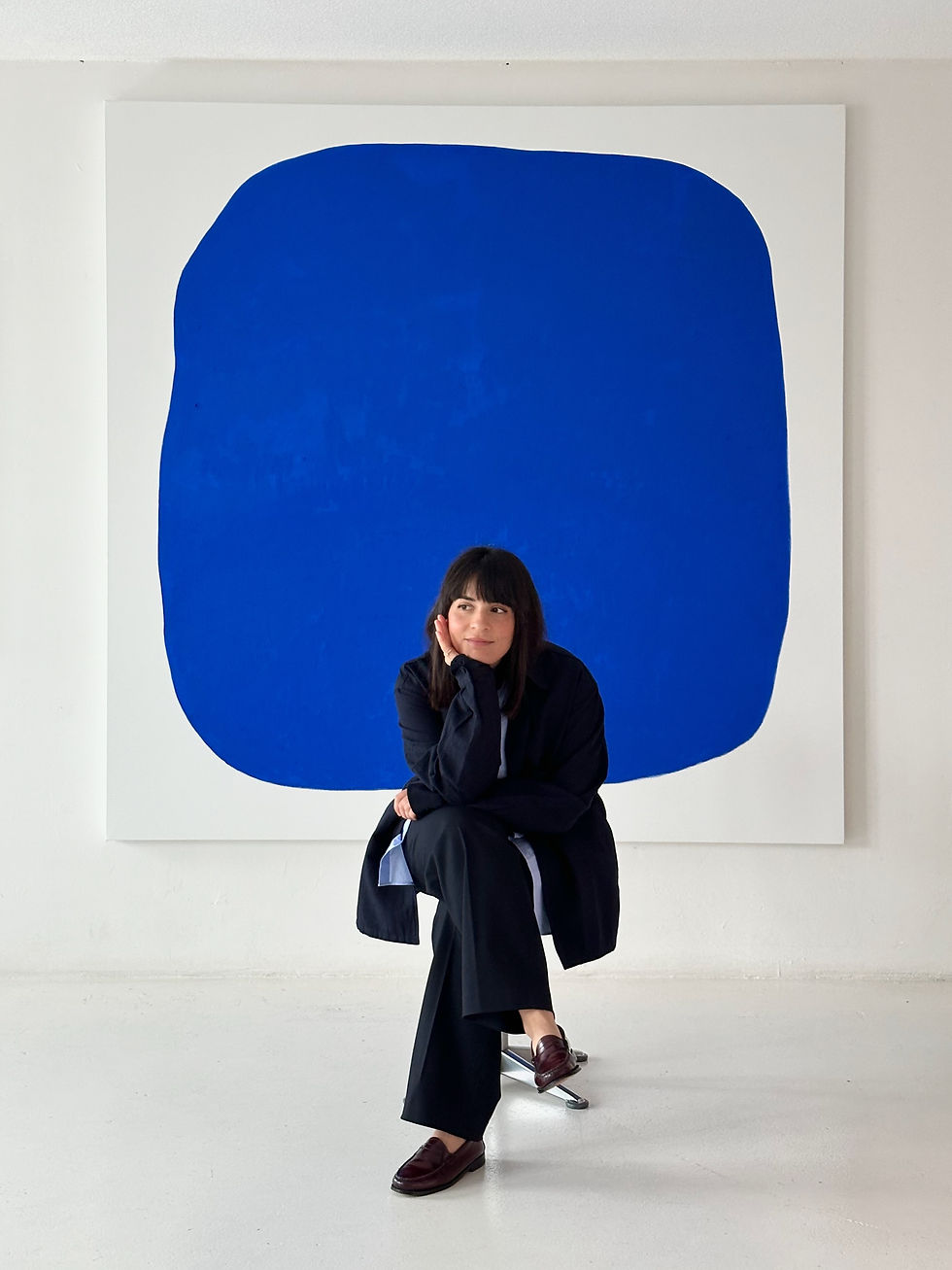
The Designer Reviving One of India’s Most Intricate Ancient Crafts


Luxury has always been closely tied to craftsmanship. Long before mass production and rapidly changing trends, objects were made slowly, deliberately and with the intention of lasting for generations. For architectural designer Priyanshi Sanghvi, that philosophy became the foundation for Aesthém, a design studio bringing one of India’s most intricate traditional crafts into a contemporary world.
Founded with the belief that luxury should outlive trends, Aesthém creates handcrafted marble objects that sit somewhere between functional design and collectible art. At the centre of the studio’s work is pietra dura, an elaborate marble inlay technique with a history stretching back centuries. The craft is perhaps most famously associated with the Taj Mahal, where intricate floral and geometric patterns were created by setting precisely cut pieces of semi-precious stone into marble. The technique was also refined during the Italian Renaissance, becoming synonymous with extraordinary patience, precision and decorative artistry.
For Sanghvi, discovering the people still preserving this tradition became a personal pursuit.
She travelled across oceans and into the depths of a Canadian winter in search of generational Indian craftsmen who had continued to practise the technique. Rather than simply referencing the visual language of pietra dura, Aesthém sought to work with the knowledge and craftsmanship behind it. That distinction is central to the studio.

Each piece requires time, precision and an extraordinary level of manual skill. Stone is carefully selected, shaped and inlaid by hand, transforming marble into objects where the surface itself becomes the artwork. The result is a collection that feels contemporary in its form while remaining deeply connected to the history of the craft. Aesthém's approach also challenges the idea that heritage belongs exclusively in museums or historical interiors. Its marble objects are designed to be used and lived with, bringing an ancient technique into modern spaces without stripping it of its origins.
There is something particularly compelling about that tension. Aesthém does not attempt to recreate the past. Instead, it asks what happens when centuries-old craftsmanship is given a new context. The studio extends this philosophy beyond its marble collection through fine art and photography prints inspired by architecture, travel and landscapes. While these works differ from the handmade objects in both process and medium, they share the same interest in place, structure and visual storytelling.
Together, the collections reflect the dualities that define Aesthém: contemporary and historic, digital and handmade, East and West, soul and style. At a time when interiors can often feel increasingly dictated by short-lived trends, Aesthém offers another proposition. Perhaps the most luxurious objects are not necessarily those that look the newest, but those that carry evidence of the hands, knowledge and history behind them. By bringing pietra dura into contemporary design, Sanghvi is doing more than creating beautiful marble objects. She is helping ensure that an intricate craft developed and passed down over generations continues to have a place in the future.
And that may be the most enduring form of luxury there is.